For a first class
Learn the class rhythm
Movement foundations, listening, coordination, and repeatable class habits.
Love what you do
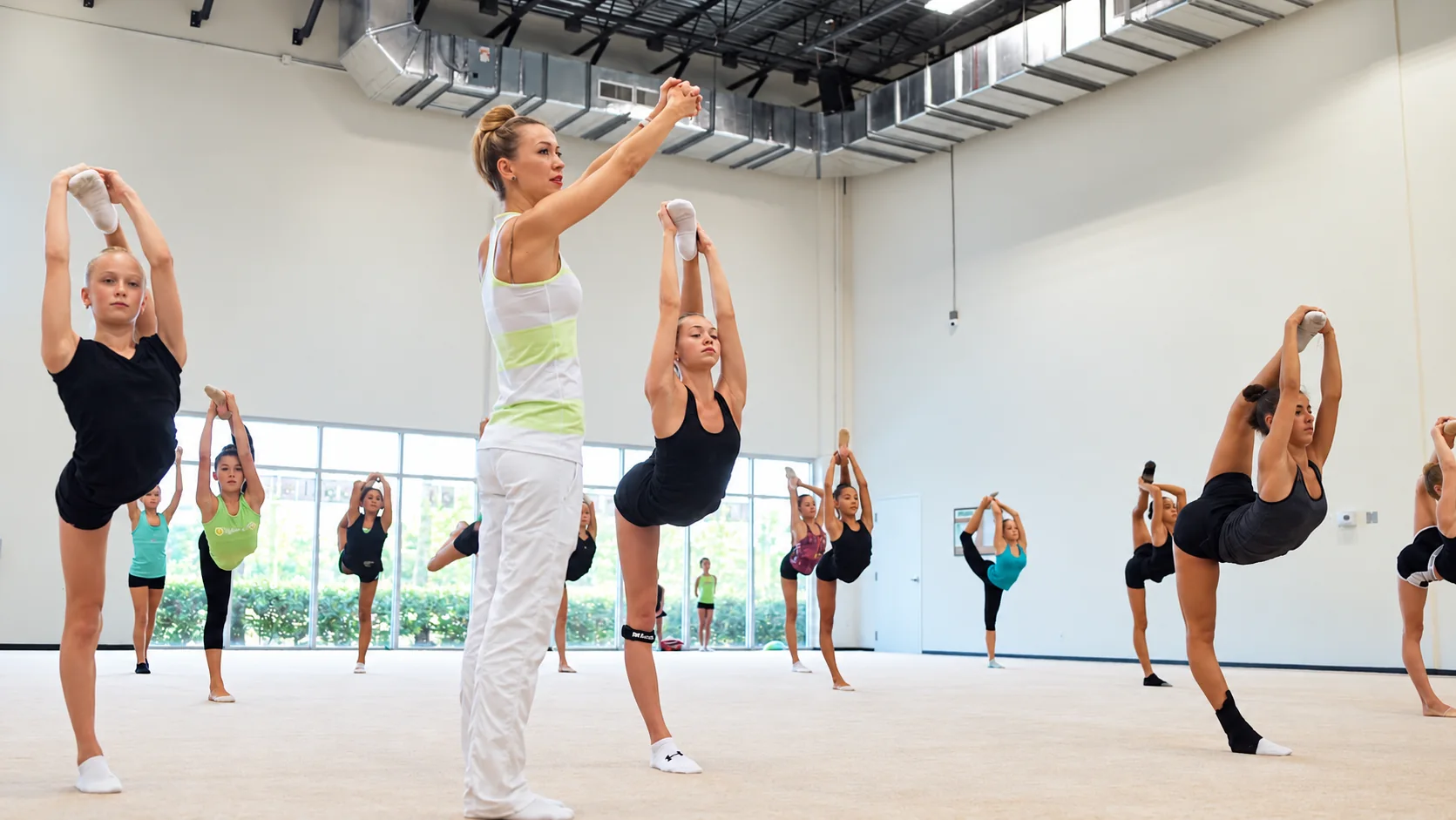
Potential does not become ability by itself. From first movement foundations to serious competitive work, athletes learn to listen, repeat, accept correction, and keep building.
Real Rhythmic Art training in Dania Beach, Florida
How we train
Progress is built between one attempt and the next. The athlete has a clear task, the coach gives a useful correction, and the work returns with more understanding.
Understand the task, then make a deliberate first attempt.
Use the coach’s correction to change one detail at a time.
Return to the skill with a clearer action and repeat.
Our philosophy
“Learn to enjoy training really hard.”
Hard means age-appropriate challenge, useful correction, repetition, and recovery. We teach athletes how to work through the hard part.
Talent helps. Consistent work, humility, and correction prepare an athlete for what comes next.
Clear standards
The exercises change. The expectation to listen, apply correction, and take responsibility grows with them.
Alignment, flexibility, coordination, listening, and repeatable class habits come before greater difficulty.
Athletes learn what needs to change, repeat the skill, and connect daily details to the next stage of training.
Training days, hours, and performance demands increase when the athlete is ready to support the work.
One athlete pathway
Families do not have to guess which version of gymnastics comes next. Each stage prepares the habits and skills the following stage will ask for.
18 months to 3 years
Parent & Me introduces movement and the class pattern with a participating adult.
Ages 3 to 5
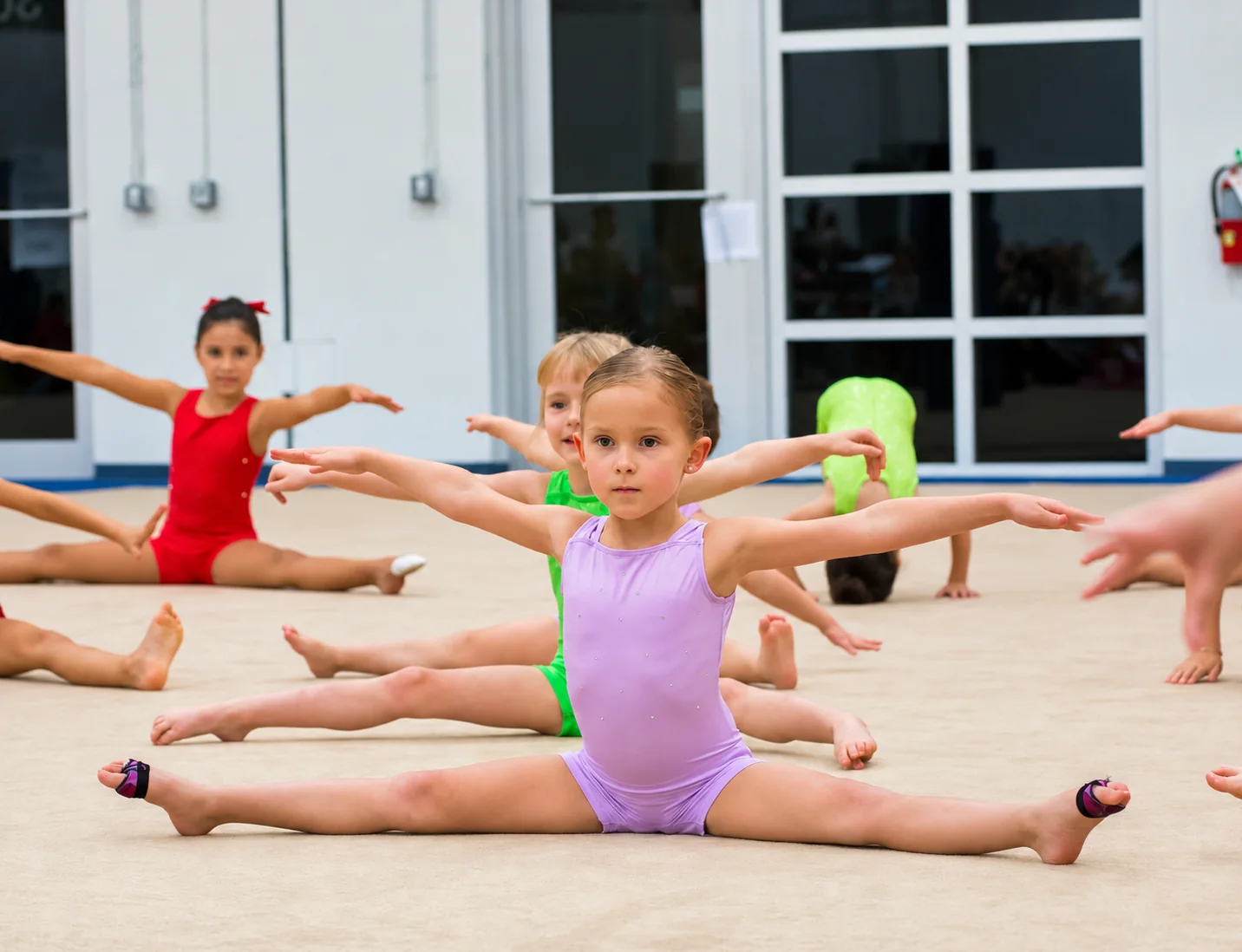
Toddler Gymnastics develops independent participation, listening, and trying again.
Age 5+ beginner
Gymnastics for Kids makes rhythmic foundations, correction, and consistent practice visible.
Coach-reviewed placement
Competitive training adds level-assigned work and a training week that grows with readiness.
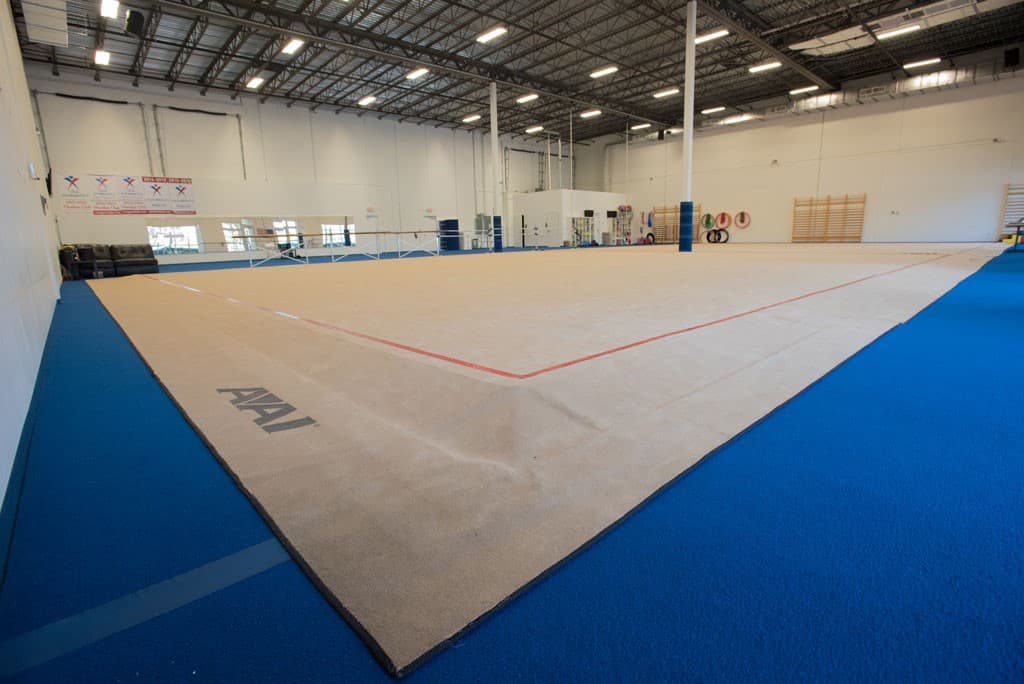
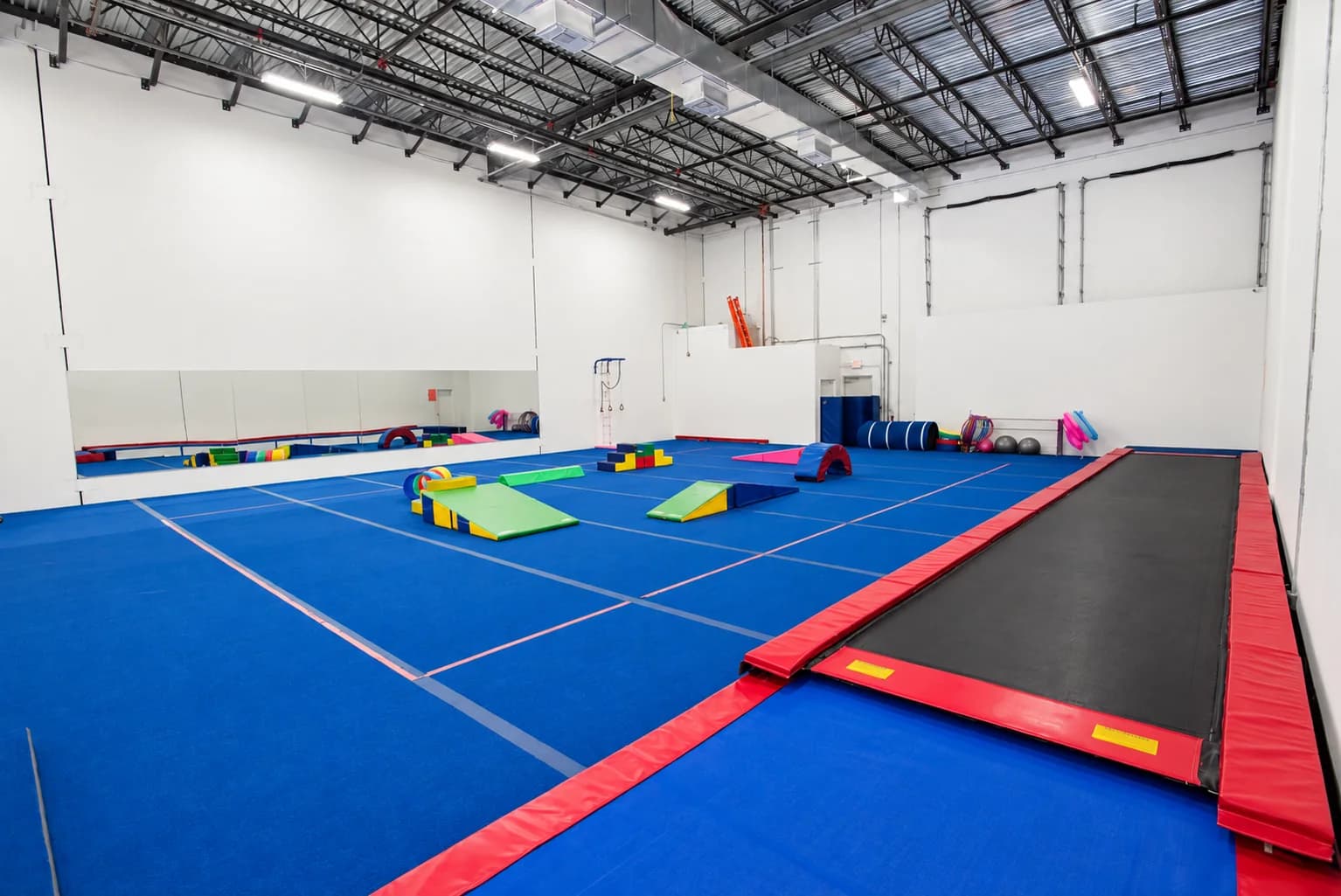
The facility
The environment should make the next step easier to picture. Younger athletes have space to learn the class pattern. As the work advances, the full rhythmic floor supports apparatus, group training, conditioning, and routine preparation.
For a first class
Movement foundations, listening, coordination, and repeatable class habits.
As training advances
Apparatus work, group training, conditioning, and full-routine preparation.
Rhythmic Art serves families across Greater Miami from 301 Bryan Rd, Dania Beach, FL 33004.
Interested in teaching gymnastics? Share your teaching interest.
Choose the right first visit
A beginner starts with a first free class. An athlete with rhythmic experience starts with a placement conversation.
New to rhythmic gymnastics
Choose from the trial programs available for the athlete's age, then let the coach use the first visit to understand fit.
Request a Beginner TrialPrior rhythmic experience
Share the athlete's training background. A coach still decides evaluation readiness and placement, and the office confirms a time.
Request Placement