4 visits
Begin the foundation
Meet the class pattern and start learning the basics.
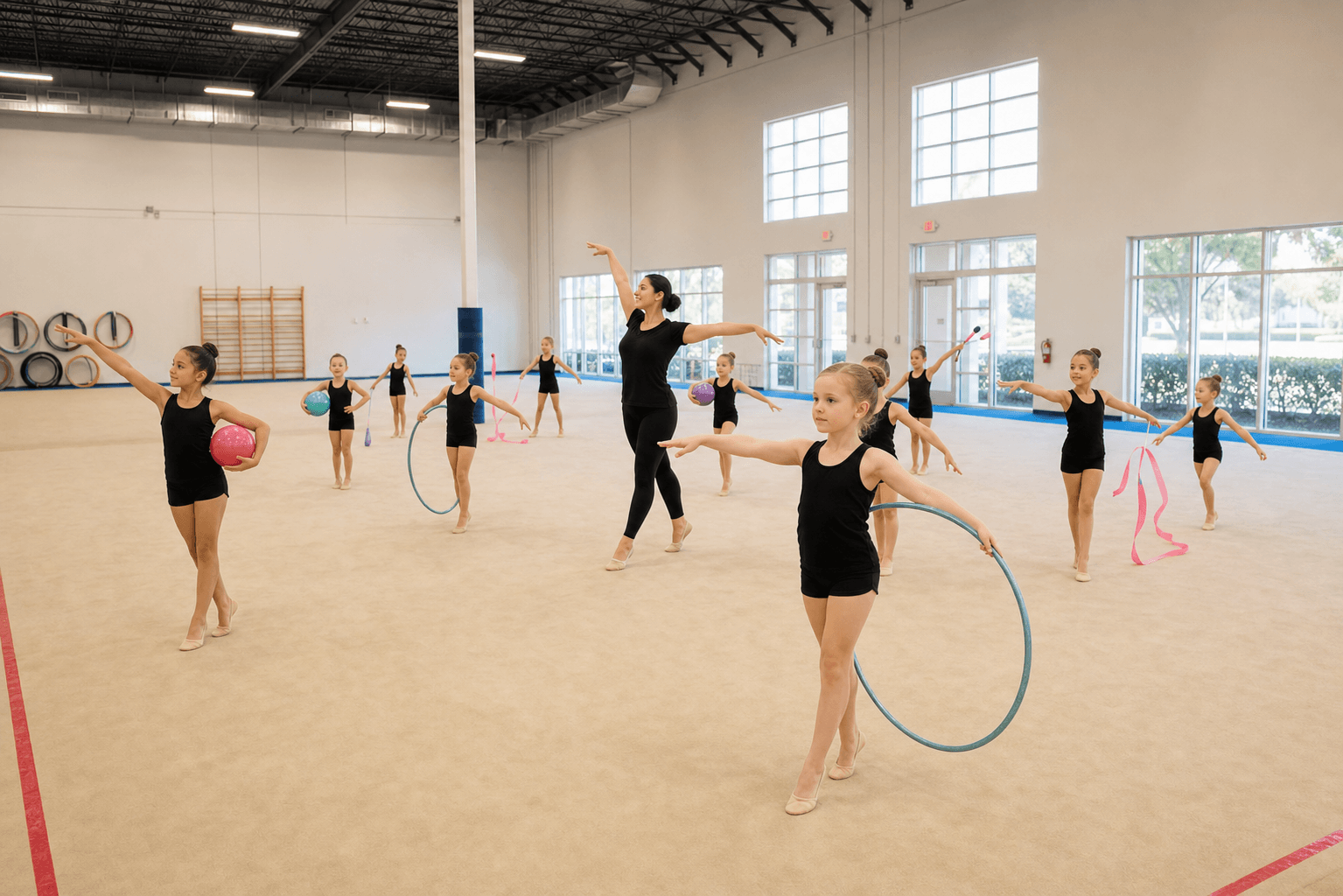
More frequent practice gives an athlete more chances to remember a correction, use it, and feel the difference.
Begin the foundation
Meet the class pattern and start learning the basics.
More coached practice
Get more chances to remember and use a correction.
Serious training rhythm
Use the highest recreational frequency to learn whether deeper training fits.
Twelve visits offer the most frequent recreational rhythm during the subscription month. They do not reserve three fixed weekly seats, purchase a level, or guarantee placement.
A healthier way to see hard work
Talent helps. Stay humble, listen to correction, and keep working. Consistent work can take an athlete farther than talent alone.
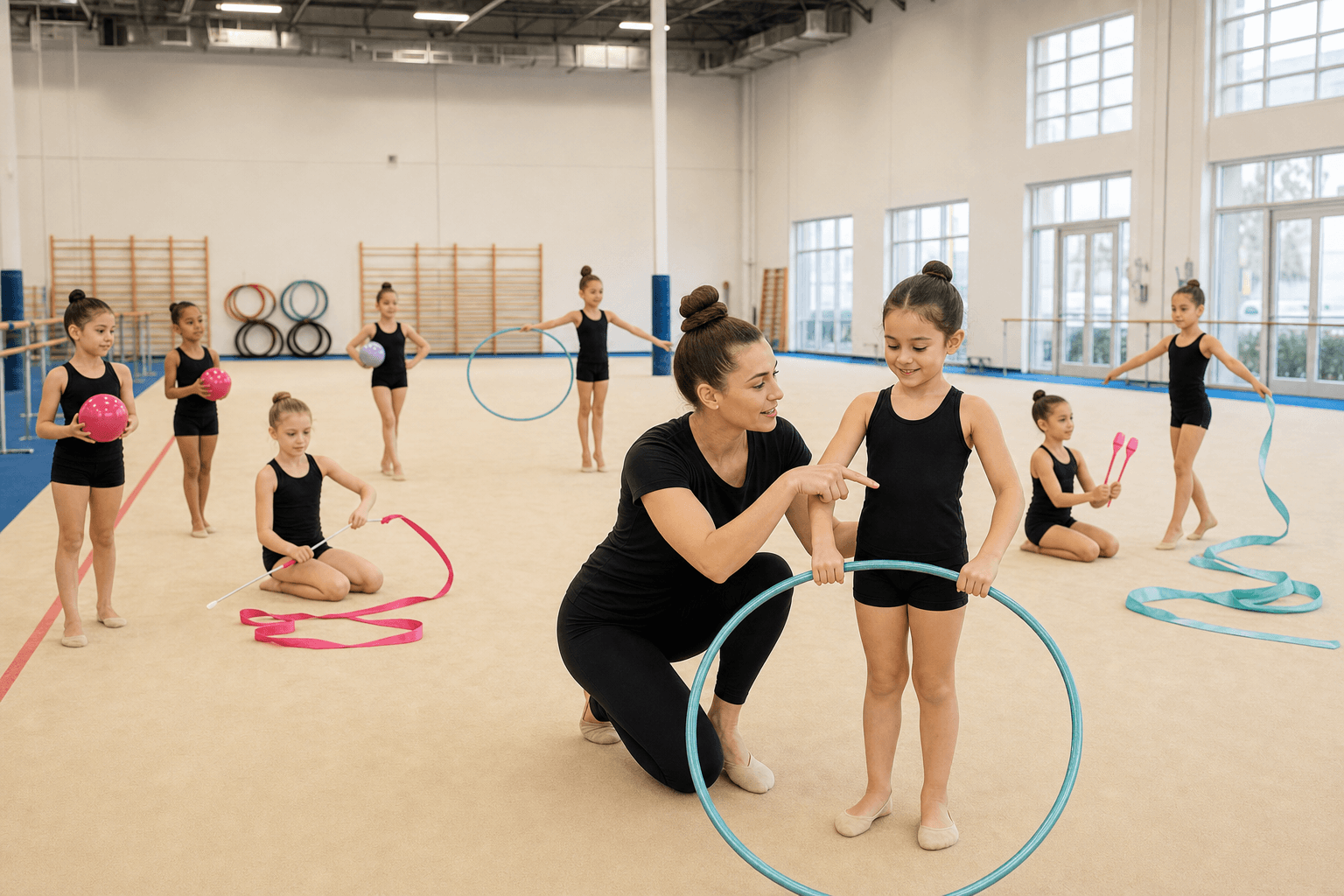
In Level 1, hard means an age-appropriate challenge: listen to a correction, make an adjustment, repeat with care, and recover.
It never means training through pain, overload, humiliation, or persistent distress. While the group keeps moving, the coach can help one athlete adjust and try again.
The lesson is bigger than one hoop skill. An athlete practices meeting difficult work, using feedback, and returning after a mistake. Those responses may become useful beyond the gym.
Attend regularly and learn the class pattern.
Listen, adjust, and try the skill again.
A parent may ask, or a coach may suggest the competitive path.
The coach decides whether a Level 2 evaluation fits.
After the coach review
The review does not guarantee promotion.
Continue the foundation and review again later.
A parent may ask, or a coach may recommend it. The coach decides readiness and staff confirms capacity.
Ask about competitive trainingCoach review
A coach looks at the whole athlete. Age, payment, and attendance alone do not decide placement.
Balances, turns, leaps, alignment, and strength.
How the athlete handles rope, hoop, ball, clubs, and ribbon.
How the athlete listens and stays with the work.
How the athlete applies feedback and tries again.
Attendance, effort, focus, and regular practice.
What children train
Know the sport
Rhythmic gymnastics combines body skills, music, dance, flexibility, and hand apparatus. Bars, beam, and vault belong to artistic gymnastics.
USA Gymnastics is the U.S. governing body for rhythmic gymnastics. The sport debuted at the Los Angeles 1984 Games and returns for LA28.
Level 2 is the USA Gymnastics pre-competitive preparation stage. Competitive Development Program levels begin at Level 3.
Compare rhythmic and artistic gymnasticsThe athlete pathway
Toddler Gymnastics prepares children for Level 1. A coach review decides whether Level 2 evaluation is the right next step.
Prepare for the first class
See the training blocks, clothing guidance, and what a family can expect.
Helpful at this stage
Open the guide that answers your next question, then return to this stage through the links on every guide.
Questions from parents
Short answers for the first decision. Staff confirms the right program and class separately.
No prior experience is needed. A beginner may build Level 2 readiness through consistent Level 1 training. Three classes per week for about three to five months is the faster serious route we have observed, but every athlete still needs a coach evaluation.
Gymnastics for Kids builds the Level 1 foundation. Level 2 is the USA Gymnastics pre-competitive preparation stage. Levels 3-8 form the competitive Development Program.
No. This class teaches rhythmic gymnastics: body skills, music, dance, flexibility, and hand apparatus such as rope, hoop, ball, clubs, and ribbon. Bars, beam, and vault belong to artistic gymnastics.
Recreational plans include 4, 8, or 12 visits during the subscription month. One class per week is a normal starting rhythm. For a beginner seriously working toward Level 2 readiness, three classes per week is the faster route we have observed.
Classes are held at our training center in Dania Beach, Florida. Recreational training is primarily conducted in our smaller Blue Gym.
Begin with the right action
Send a request. Rhythmic Art checks the athlete's fit and confirms the class separately.