
What remains true
Summer Training is intended for experienced rhythmic gymnasts and requires coach-approved placement and workload.
For experienced rhythmic gymnasts · Summer training
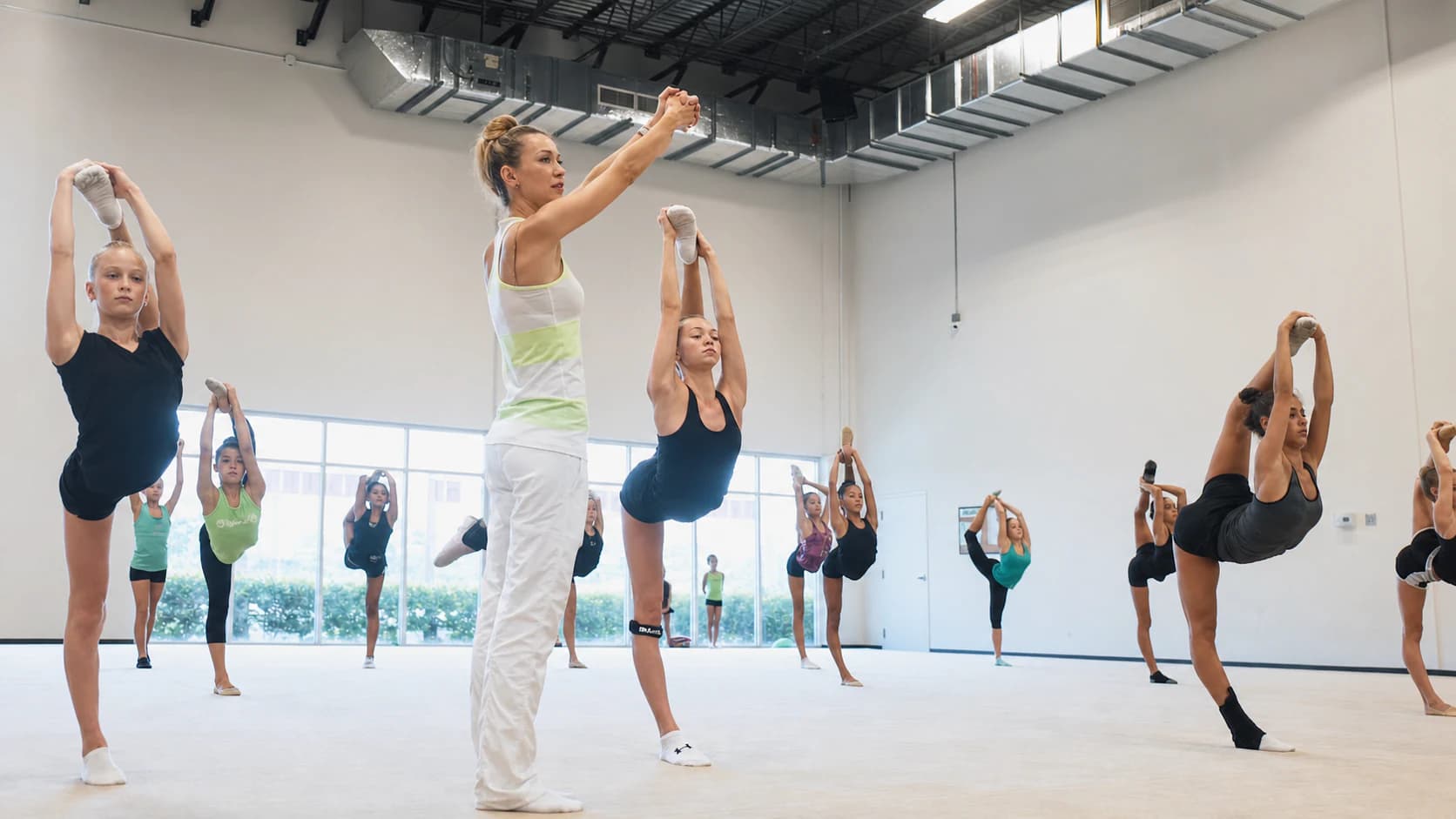
A focused summer boost for athletes who already train in rhythmic gymnastics. More time creates room for conditioning, apparatus, correction, and routine preparation.
Current publication status
Future Summer Training dates and session choices are not published yet. This page will be updated only after the schedule, eligibility, availability, and charges are approved.
Summer Training is intended for experienced rhythmic gymnasts and requires coach-approved placement and workload.
There is no published future date, session schedule, capacity, charge, or booking offer on this page.
The Summer boost
A longer training block can give the athlete more chances to understand a correction, repeat it, and connect the pieces of her current plan.
Conditioning, flexibility, strength, endurance, and a planned recovery rhythm.
More time for turns, leaps, balances, alignment, and direct correction.
Focused practice with the apparatus assigned to the athlete's current plan.
Choreography, artistry, expression, timing, and competition preparation when appropriate.
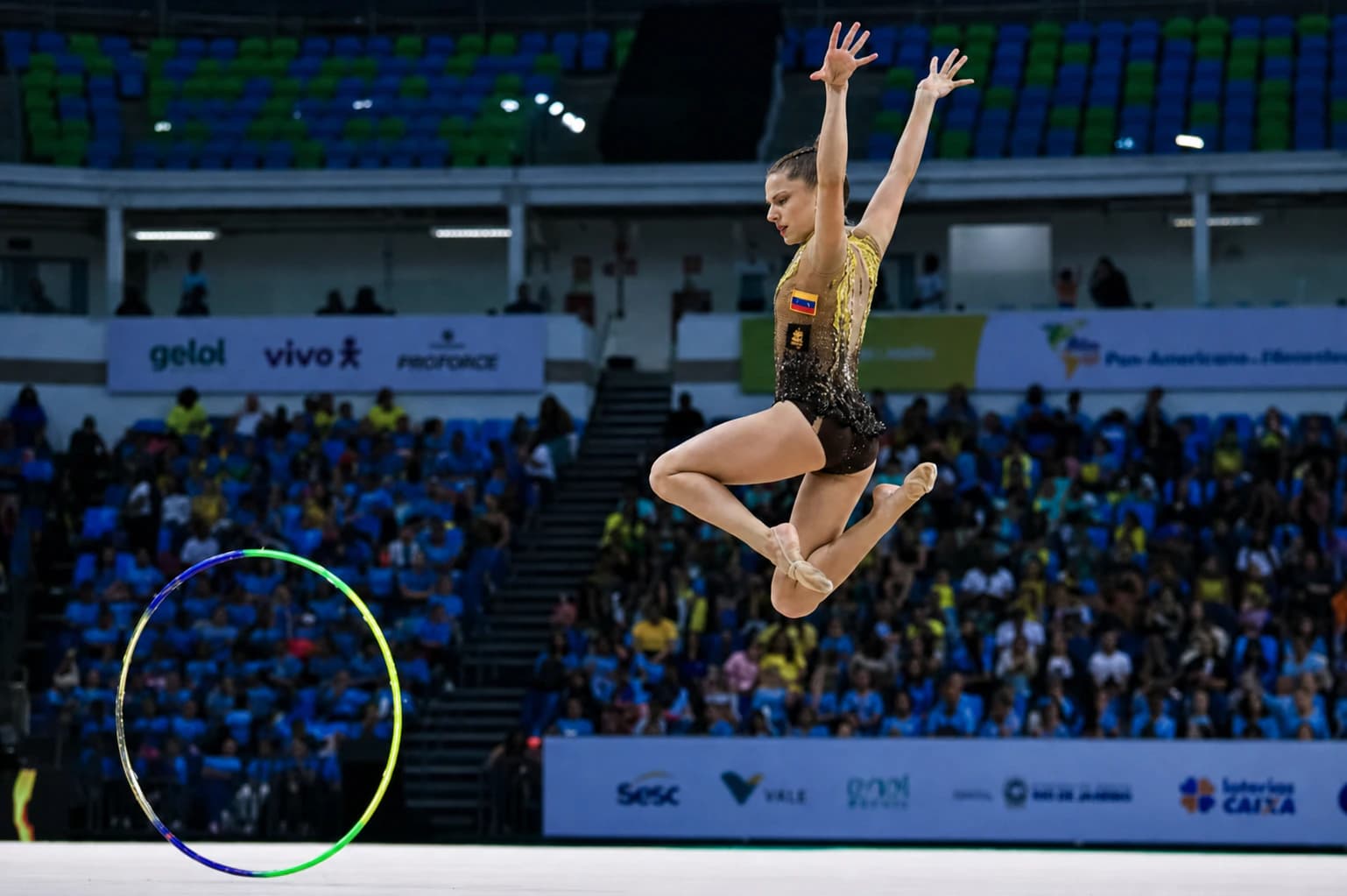
Competition is the visible moment
Preparation happens much earlier.
Competitive preparation
Summer Training can support competition preparation when that goal fits the athlete's assigned plan. It does not guarantee a level, placement, competition, score, or medal.
01
The athlete prepares her body and repeats the fundamentals her next work depends on.
02
She makes an adjustment, repeats with care, and learns what the correction changes.
03
Body skills, apparatus, music, and routine sections come together over time.
04
The coach reviews the work and directs the athlete's next regular-season priorities.
A healthier way to see the work
Hard training should still be age-appropriate and planned. The athlete practices listening, adjusting, trying again, and recovering—not ignoring pain or persistent distress.
The useful comparison is what the athlete can understand and perform more consistently than before.
Protect the routine, recovery, and communication. Let the coach own the technical plan and placement decision.
Choose the correct entry
Current Rhythmic Art athletes and athletes from another rhythmic program may ask about placement. Coaches consider prior training, technical foundation, current goal, and the workload the athlete can manage.
When dates are published, the office will ask about current level, training background, usual weekly workload, and the athlete's goal before a coach reviews placement.
Review the current statusThe regular beginner class uses a shorter class format and a clear foundation path. That is the correct place to request a complimentary first class.
See Gymnastics for Kids · Level 1Future dates are not published
Return to this page for a future Summer Training announcement. The office can answer general questions, but there is no current Summer booking offer.